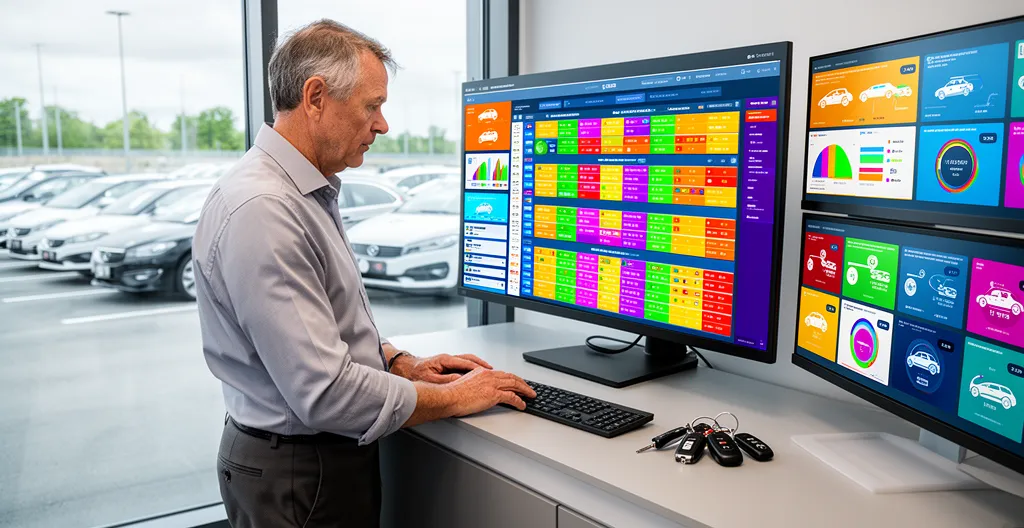
The operational chaos isn’t just frustrating—it’s expensive. Double-bookings cost compensation payouts. Missed maintenance leads to breakdowns. Staff waste hours on data entry instead of serving customers. These aren’t minor inconveniences. They’re profit leaks.
Fleet management software addresses these pain points directly. But understanding exactly how requires looking beyond feature lists to examine real operational impact. That’s what this guide delivers: practical insights into how software transforms daily fleet operations, based on patterns observed across UK rental businesses.
The Hidden Costs of Manual Fleet Management
16%
reduction in fuel and labour costs achieved through fleet management technology
Manual fleet management drains resources in ways that rarely appear on balance sheets. According to analysis by Verizon Connect on fleet ROI, companies implementing fleet management technology decreased both fuel and labour costs by 16%, with accident costs dropping by 22%. These aren’t marginal gains. For a 30-vehicle fleet, that translates to thousands saved annually.
The most common mistake I observe? Fleet operators managing 15+ vehicles on spreadsheets typically encounter 3-5 double-booking incidents monthly. Each incident costs £150-300 in customer compensation and reputation damage. This pattern is consistent across UK rental businesses I’ve observed. The hidden cost compounds: staff time resolving conflicts, lost repeat bookings, negative reviews affecting future customers.

Beyond booking errors, maintenance oversight creates serious financial exposure. Vehicles break down at the worst moments—peak season, weekend demand surges, holiday periods. Without automated tracking, service intervals slip. Tyres wear unevenly. Oil changes happen late. The result: unplanned downtime precisely when every vehicle should be earning revenue.
Warning: Spreadsheet-based fleet tracking typically fails beyond 15 vehicles. Beyond this threshold, booking conflicts, maintenance gaps, and utilisation blind spots become inevitable without dedicated software.
On the ground, the reality is stark. Staff spend 15+ hours weekly on manual data entry that software handles in seconds. That’s nearly half a full-time position absorbed by administrative tasks that add zero value to customers. Worse still? Human error rates climb with spreadsheet complexity. One transposed date creates a cascade of problems.
Core Features That Transform Daily Operations
The comparison below illustrates operational differences between manual processes and car rental software across five critical dimensions. Each column reveals where efficiency gains originate and how error rates drop.
| Operational Area | Manual Process | Software Automated | Time Saved Weekly | Error Reduction |
|---|---|---|---|---|
| Booking Management | Spreadsheet entries, phone confirmations | Real-time calendar, automatic conflict detection | 8-10 hours | 95% |
| Maintenance Tracking | Paper logs, memory-based scheduling | Automated alerts, mileage triggers | 3-4 hours | 85% |
| Fleet Visibility | Physical checks, staff reports | Dashboard overview, GPS integration | 4-5 hours | 90% |
| Invoicing | Manual calculations, separate accounting | Automatic generation, system sync | 2-3 hours | 80% |
| Customer Communication | Individual emails, phone calls | Automated confirmations, reminders | 2-3 hours | 75% |
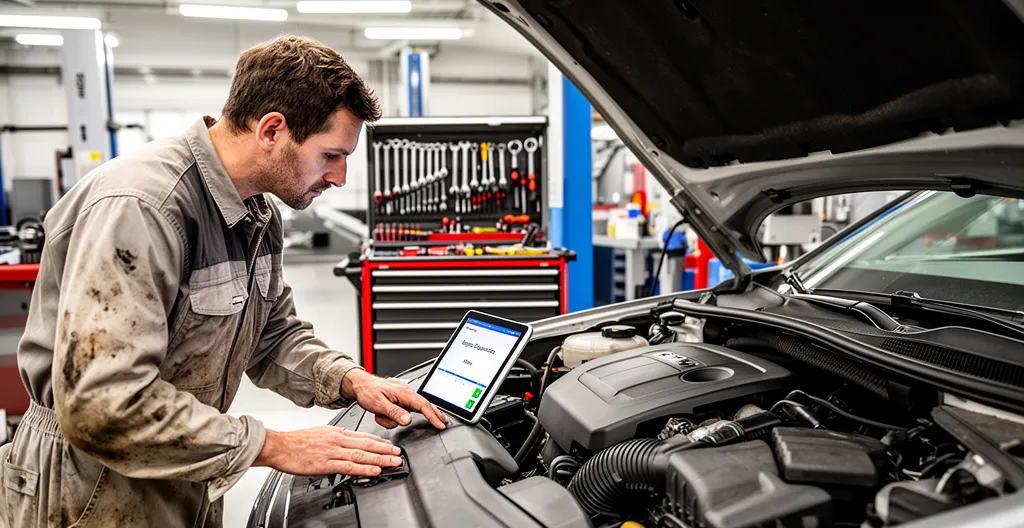
According to fuel efficiency gains from IntelliShift research, utilising telematics to reduce inefficiencies saves fleets 10-15% on annual fuel costs. This represents one of the fastest returns available. The true ROI comes from integration—running separate tools for GPS tracking, maintenance, and safety makes operations inefficient by design.
Case Study: Scottish Highlands Regional Operator
A family-run car hire company operating 28 vehicles across the Scottish Highlands faced repeated summer breakdowns in 2023. Manual maintenance tracking caused 3 vehicles to be out of service simultaneously during peak tourist season. The result: approximately £4,200 in lost bookings over 2 weeks before implementing automated maintenance alerts. Post-implementation, unplanned downtime dropped to near zero.
Integration Essentials: Effective car rental software connects to accounting systems, website booking engines, GPS tracking, and payment processors. Without these integrations, you’re simply digitising silos rather than transforming operations.
The BVRLA fleet credentials 2024 survey gathered data from organisations representing 69% of the UK car rental fleet. The findings confirm that software enables better fleet utilisation tracking and customer service enhancements. That’s not theory. It’s documented industry performance.
From Implementation to ROI: What to Expect
Implementation timelines vary, but patterns emerge consistently. According to implementation timeline analysis by RentTix, car rental software deployment generally takes a few weeks to a few months for typical SME operations. The same research indicates companies using advanced systems see a 20% increase in customer satisfaction, with efficiency improvements reaching 50%.

In practice, fleet operators discover that implementation spans roughly for fleets of 10-50 vehicles. Week 1 covers platform setup and data migration. Week 2 focuses on staff training for core booking features. Week 3 handles integration with existing website and payment systems. Week 4 brings full operational deployment and monitoring. Advanced features like analytics and automated alerts typically activate during months 2-3.
When is software NOT the right solution? Very small fleets under 5 vehicles rarely justify the investment. The administrative burden remains manageable manually. Seasonal-only operations lasting fewer than 4 months annually may also find the cost-benefit equation unfavourable. These counter-indications matter. Not every business needs software—just most of them.
For operators exploring how car rental software for your business creates transformation, the evidence points clearly toward operational gains. About one-third of GPS fleet tracking users report positive ROI in less than six months, with roughly half seeing returns within a year.
Pre-Implementation Checklist for Fleet Operators
-
Audit current booking data and clean duplicates before migration
-
Document existing maintenance schedules and service intervals per vehicle
-
Confirm API compatibility with your accounting software
-
Allocate minimum 8 hours for staff training sessions
-
Designate one team member as software champion for ongoing queries
The question isn’t whether fleet management software delivers value—the data confirms it does. The question is whether your current operational friction justifies the implementation effort. For most UK rental businesses managing 10+ vehicles, the answer is straightforward. If you’re exploring the broader rental landscape, our guide to car rental in Scotland provides additional context for understanding market dynamics.